11 May & 4 June 2026 | Australia New Zealand
Evolution & Contemporary Application of Zygomatic Implant Therapy
Zygomatic implant therapy is an advanced treatment modality for the rehabilitation of patients with severe maxillary atrophy and complex anatomical limitations. Originally developed by Per-Ingvar Brånemark for maxillary defect reconstruction, the technique has evolved significantly in response to advances in surgical protocols, implant design, biomechanics, and digital technology.
This course provides an evidence-based review of contemporary zygomatic implant treatment, focusing on clinical indications, anatomy-guided surgical approaches, prosthetically driven planning, and graftless immediate loading protocols. Emphasis is placed on patient safety, risk assessment, complication prevention, and long-term treatment outcomes, in accordance with Australian CPD requirements.
This program supports surgeons in maintaining and enhancing professional competence through structured learning that improves clinical decision-making, technical execution, and patient outcomes in complex implant rehabilitation.
Upon completion of this activity, participants will be able to:
Participants will be able to:
Participants will be able to:
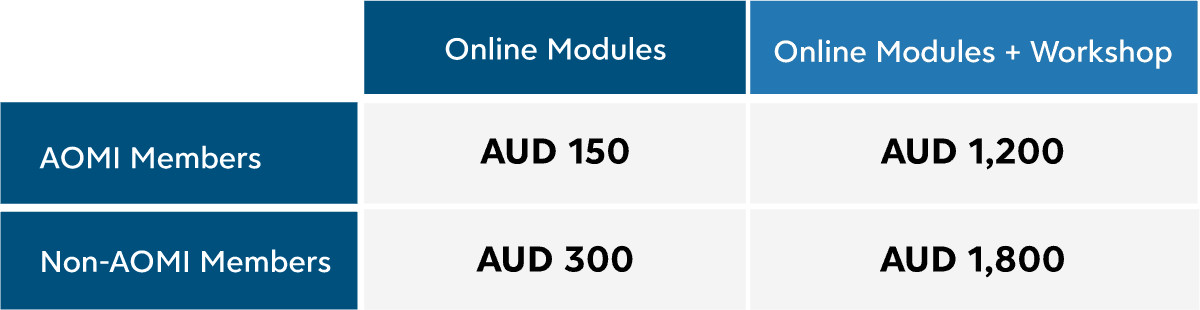
Date: 4 Jun 2026 | Venue: Crown Conference Centre, Melbourne Vic
11:30-12:00
Registration
12:00-12:05
Welcome and Introduction
A/Prof. Patrishia Bordbar
Fernando Hagemann
12:05-13:50
Zygomatic Implants:
What Surgeons Should Know Before, During and After Placement
Prof. Bilal Al-Nawas
13:50-14:15
Afternoon Tea
14:15-15:30
Workshop on Zygomatic Implant Planning and Placement
Prof. Bilal Al-Nawas
15:30-16:00
Q&A
Prof. Bilal Al-Nawas and Faculty
16:00-16:30
Data You Need for Planning Full Arch Restoration
Dr. Philip Tan
16:30-17:15
Workshop:
Getting Serious with Sirios
Dr. Philip Tan
17:15-17:30
Q&A
Dr Philip Tan and Faculty
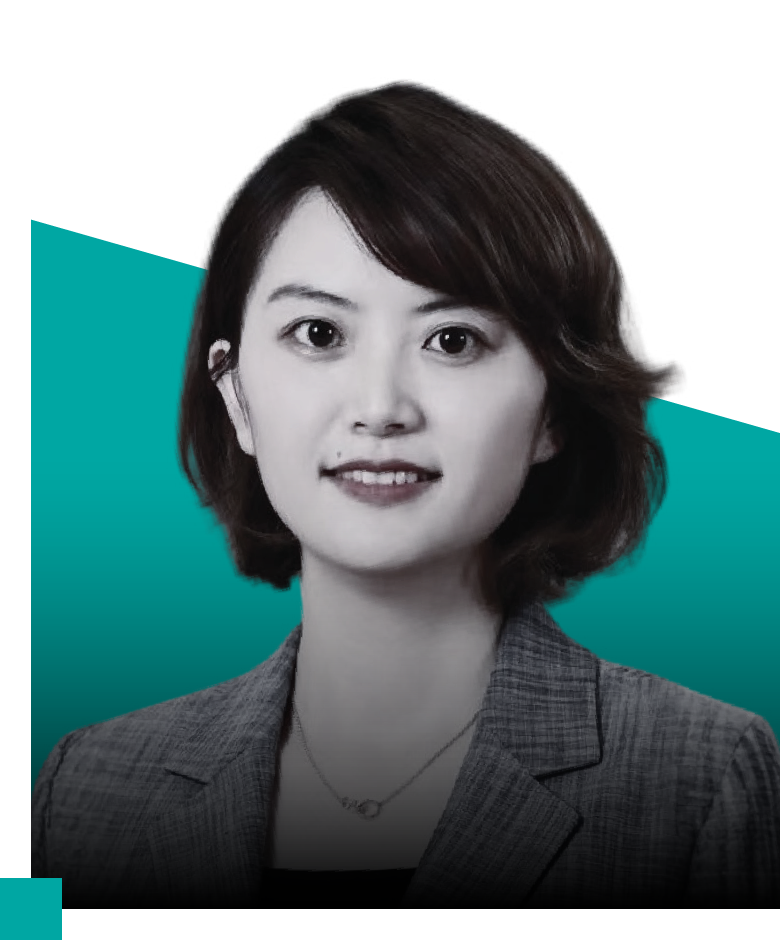
Prof. Teresa Tian Zhou
Associate Chief Physician, Ph.D
Department of Oral and Maxillofacial-Head and Neck Oncology, Ninth People’s Hospital,
Shanghai Jiao Tong University School of Medicine
Visiting Researcher, Friedrich-Alexander University Erlangen-Nürnberg, Germany
Member, Oral Rehabilitation Professional Committee, Shanghai Stomatological Association Member, Stomatological Materials Professional Committee, Chinese Stomatological Association Specializes in prosthodontic treatment for oral and maxillofacial as well as facial defects; jawbone reconstruction and implant-supported rehabilitation for complex dentition defects.
Research Achievements:
In recent years, Dr Zhou has obtained over two national and provincial-level research projects; published thirteen SCI papers as first author or corresponding author; obtained five national invention patents.
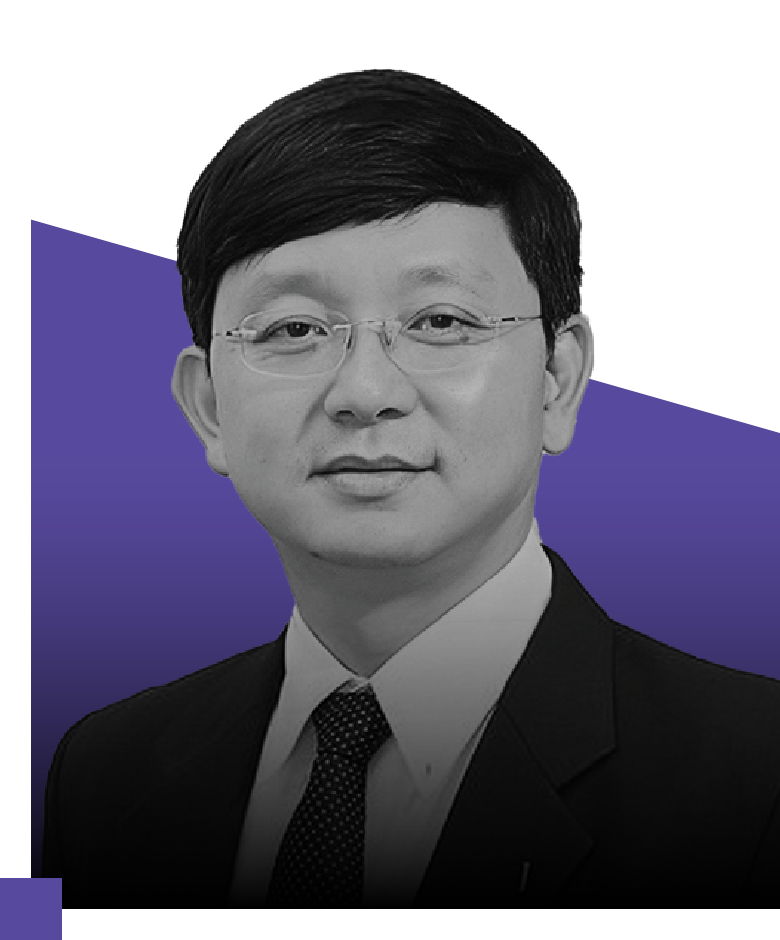
Prof. Surakit Visuttiwattanakorn
Oral and Maxillofacial Surgery : Orthognathic Surgery, Reconstructive Surgery, Cle Surgery, TMJ Surgery, Facial Contouring Surgery
Dr. Surakit Visuttiwattanakorn, D.D.S., is a prominent Oral and Maxillofacial Surgeon and Director of the Dental Hospital at Mahidol University in Thailand. With over two decades of clinical experience, he specializes in complex dental implants, orthognathic surgery, and facial reconstruction.
Dr. Surakit Visuttiwattanakorn is well-recognized both academically and clinically: Primary Roles: Lecturer and Director of the Dental Hospital at the Faculty of Dentistry, Mahidol University. Clinical Affiliation: He also practices at Bangpakok 9 International Hospital in Bangkok.Education & Board Certifications: Holds a D.D.S. (Doctor of Dental Surgery) and is certified by the Thai Board of Oral and Maxillofacial Surgery.
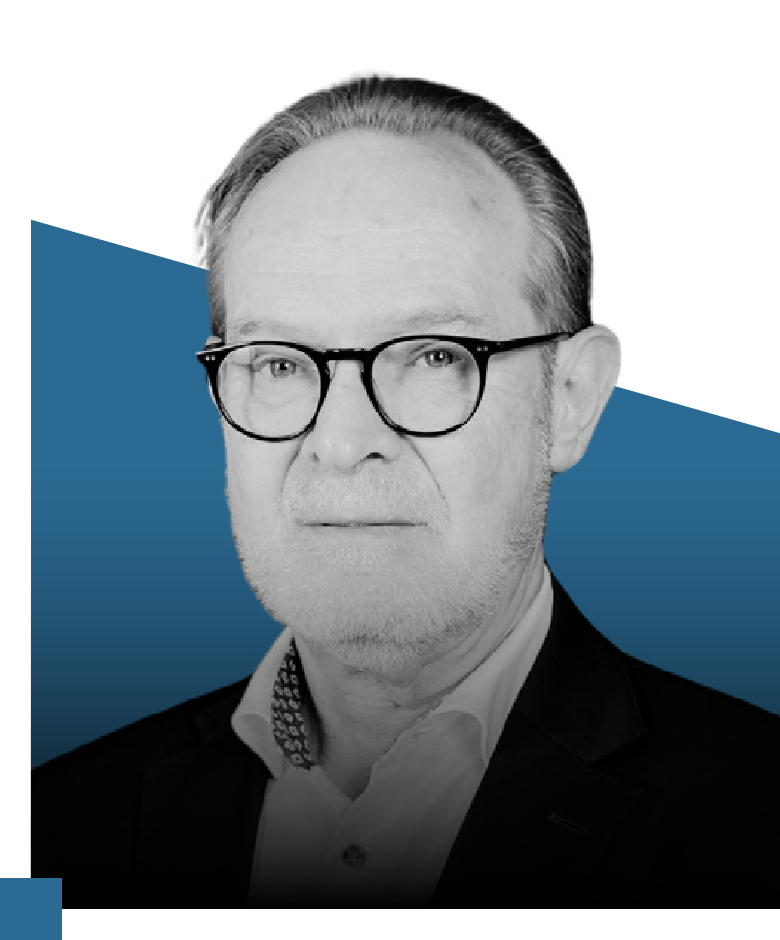
Prof. Piet Haers
Founding Member & Board of Director – President, AOMI
MD(B), Lic. Dent (B), Dr. med (CH), Dr. med. Dent. (CH), PhD, FEBOMS, FDSRCS ad eundem, FGDPRCS ad eundem, FICD, FIBCSOMS hon
Prof. Dr. Piet Haers is a Consultant Oral and Maxillofacial Surgeon with nearly twenty years of experience at the specialist level, providing advanced surgical referral services for dental colleagues.His practice is focused on orthognathic surgery for complex skeletal discrepancies (Class II/III), sophisticated dental implantology including bone augmentation, and advanced dentoalveolar surgery. He is a trusted partner for the management of impacted teeth, pre-prosthetic surgery, and the surgical components of interdisciplinary treatment plans. He operates across several leading private hospitals in London and Surrey, including The Portland Hospital, London Bridge Diagnostic & Treatment Centre, and the Nuffield Health Guildford Hospital. Colleagues can refer with confidence, assured of a collaborative approach, clear communication on treatment pathways, and a commitment to achieving functionally sound and aesthetically refined surgical outcomes for shared patients.
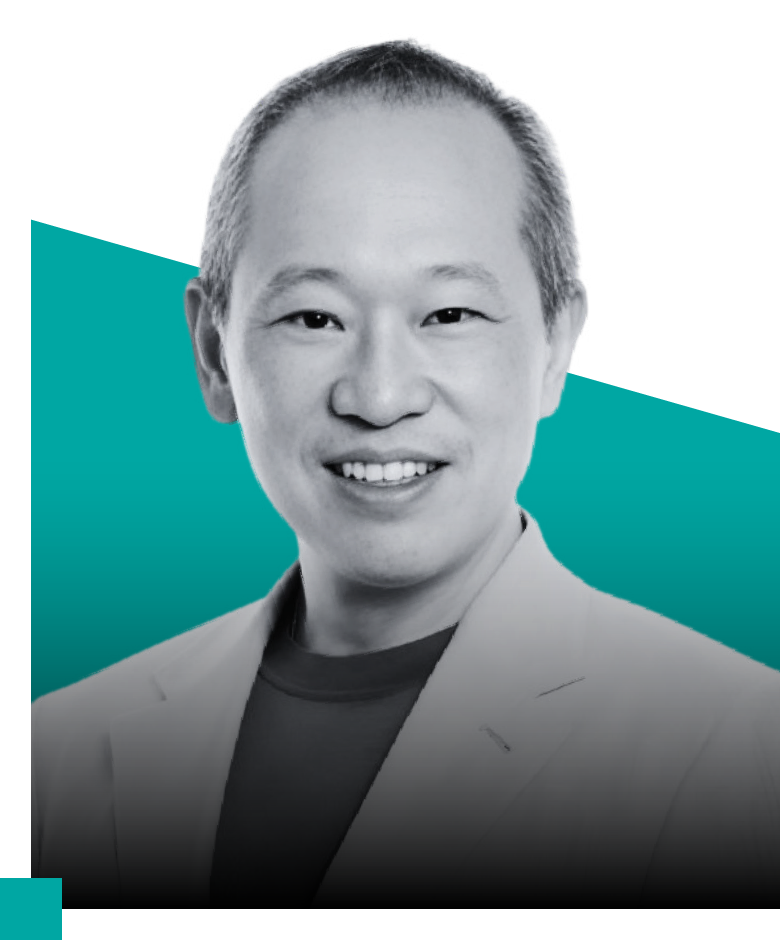
Prof. James Chow
Founding Member & Board of Director – Vice-President, AOMI
Specialist in Oral and Maxillofacial Surgery BDS(HK), MDS(HK), MBBS(HK), FRCS(ENG), FDSRCS(ENG), FRCD(C), FCDSHK(OMS), FHKAM, FICD
Dr. James Chow received his dental and medical degree from Hong Kong University in 1988 and 1998 and completed his specialist training in Oral and Maxillofacial surgery in Hong Kong. He is the Honorary Associate Professor at Hong Kong University and Shanghai Jiaotong University. Dr. Chow has expertise in immediate dental implant loading, Zygomatic implants, and guided surgery. He lectures nationally and internationally and has published over 20 articles on dental implants, computer-aided surgery, and three-dimensional technology in oral surgery. His private practice is located in Hong Kong.
Prof. Gunaseelan Rajan
Board of Director & Editor in Chief, AOMI
MBBS., BDS., FDSRCS (England)., PhD., DSc (Honoris Causa).,
Oral & Maxillofacial Surgeon, Medical Director, Rajan Dental Institute
Prof. Dr. Gunaseelan Rajan holds both Medical and Dental degrees followed by a Fellowship from the Royal College of Surgeons of England, a PhD and more recently a DSc Honoris Causa who serves as the Medical Director of Rajan Dental. He has earned a tremendous reputation as a dentist and is also a high profile researcher and academician who has been published repeatedly in international peer-reviewed journals. He has developed Rajan Dental into a multi-specialty modern institute of world-class dental care, building on the founder Dr. B. P. Rajan’s core values of trust, expertise and care.He has been instrumental in bringing advanced treatment techniques and clinical concepts to India such as: Computer based planning and ‘Nobel – guide’ surgical technique, ‘Teeth-in-an-hour’ concept (where implants and artificial teeth are fixed in 1 hour) and Zygoma implant technique.
Dr. Benjie Law
Oral and Maxillofacial Surgeon
Hospital Canselor Tuanku Muhriz, Universiti Kebangsaan Malaysia
Dr. Benjie Law is an Oral and Maxillofacial Surgeon with strong academic distinction and extensive clinical experience in Malaysia. He graduated with a Bachelor of Dental Surgery (BDS) from Manipal University in 2013, where he was awarded the Gold Medal for Best Outgoing Student. He subsequently obtained Membership of the Faculty of Dental Surgery (MFDS) from the Royal College of Surgeons of Edinburgh in 2017, and holds both Fellowship (FICOI) and Mastership (MICOI) credentials from the International Congress of Oral Implantologists. In 2022, he completed his Master of Clinical Dentistry in Oral and Maxillofacial Surgery with Distinction from the University of Malaya.
Dr. Law began his career with the Ministry of Health Malaysia before pursuing specialist training in Oral and Maxillofacial Surgery at Universiti Kebangsaan Malaysia Medical Centre (UKMMC). His postgraduate training included rotations across major tertiary centres, including University Malaya Medical Centre, Hospital Kuala Lumpur, and Hospital Melaka, providing comprehensive exposure to complex maxillofacial pathology and reconstructive surgery. He currently serves as an Oral and Maxillofacial Surgeon at Hospital Canselor Tuanku Muhriz, Universiti Kebangsaan Malaysia, and is actively involved in undergraduate clinical teaching as a Visiting Lecturer at the Faculty of Dentistry, UKM.
His clinical interests include dentoalveolar surgery, advanced implantology and full-arch rehabilitation, bone grafting, management of odontogenic cysts and tumours, facial trauma, orthognathic surgery, temporomandibular joint disorders, sinus surgery, and the rehabilitation of oncology and post-traumatic defects. He has a particular focus on complex surgical cases and digitally guided implant workflows. Dr. Law is an active member of several professional bodies, including the Malaysia Dental Council, Malaysian Association of Oral and Maxillofacial Surgeons (MAOMS), International Association of Oral and Maxillofacial Surgeons (IAOMS), the Malaysian Dental Association, and the Royal College of Surgeons of Edinburgh. He has published in peer-reviewed journals, presented at international scientific meetings, and is a sought-after speaker in implantology and surgical education programs.
Prof. Alfred Lau
Founding Member & Board of Director – Treasurer, AOMI
Specialist in Oral and Maxillofacial Surgery
BDS(HK), MDS(OMS)(HK), MSc(HCM)(Ireland), MOSRCS(Edin), AdvDipOMS(HK), FDSRCS(Edin), FDSRCPS(Glasg), FHKAM(DS), FCDSHK(OMS)
Dr. Alfred Lau works in a private day surgery center and serves as an honorary Clinical Associate Professor of OMFS at HKU. He is the honorary consultant in OMS at Queen Mary Hospital and the Hong Kong Sanatorium and Hospital. Dr. Lau was the President of the Hong Kong Association of OMS (2016-2019) and is the founder of the Young Oral and Maxillofacial Surgeon Group of HK. He holds leadership positions in several international OMS associations and serves as a Hong Kong Dental Council examiner. Dr. Lau frequently speaks at international conferences and authored a book on OMS to increase public awareness in Hong Kong.
Prof. Srinivasa R. Chandra
Dr.Srini R. Chandra, an American and an International Board Certified OMF Surgeon, Section Head of Oral Surgery. Formerly the Program Director at OHSU, Portland, Oregon, as an Associate Professor, is a surgical specialist with fellowship training in all aspects of head and neck surgery, including Head and Neck cancer, Craniofacial trauma, vascular tumors and lesions, airway reconstruction, Oral rehabilitation, and skull base reconstructive surgery. He is proficient in a full spectrum of harvest and microvascular reconstruction as well as Dentofacial Implant Surgery. His research and clinical investigations include patient relation outcomes in rehabilitations and reconstructions.
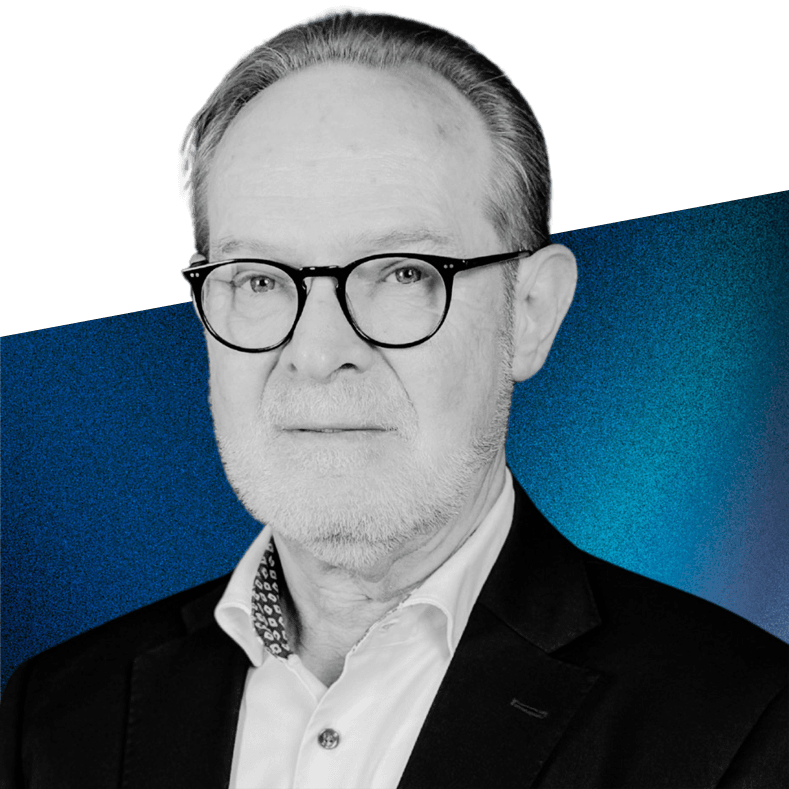
Prof. Piet Haers
Founding Member & Board of Director – President, AOMI
MD(B), Lic. Dent (B), Dr. med (CH), Dr. med. Dent. (CH), PhD, FEBOMS, FDSRCS ad eundem, FGDPRCS ad eundem, FICD, FIBCSOMS hon.
Prof. Dr. Piet Haers is a Consultant Oral and Maxillofacial Surgeon with nearly twenty years of experience at the specialist level, providing advanced surgical referral services for dental colleagues. His practice is focused on orthognathic surgery for complex skeletal discrepancies (Class II/III), sophisticated dental implantology including bone augmentation, and advanced dentoalveolar surgery. He is a trusted partner for the management of impacted teeth, pre-prosthetic surgery, and the surgical components of interdisciplinary treatment plans.
He operates across several leading private hospitals in London and Surrey, including The Portland Hospital, London Bridge Diagnostic & Treatment Centre, and the Nuffield Health Guildford Hospital. Colleagues can refer with confidence, assured of a collaborative approach, clear communication on treatment pathways, and a commitment to achieving functionally sound and aesthetically refined surgical outcomes for shared patients.
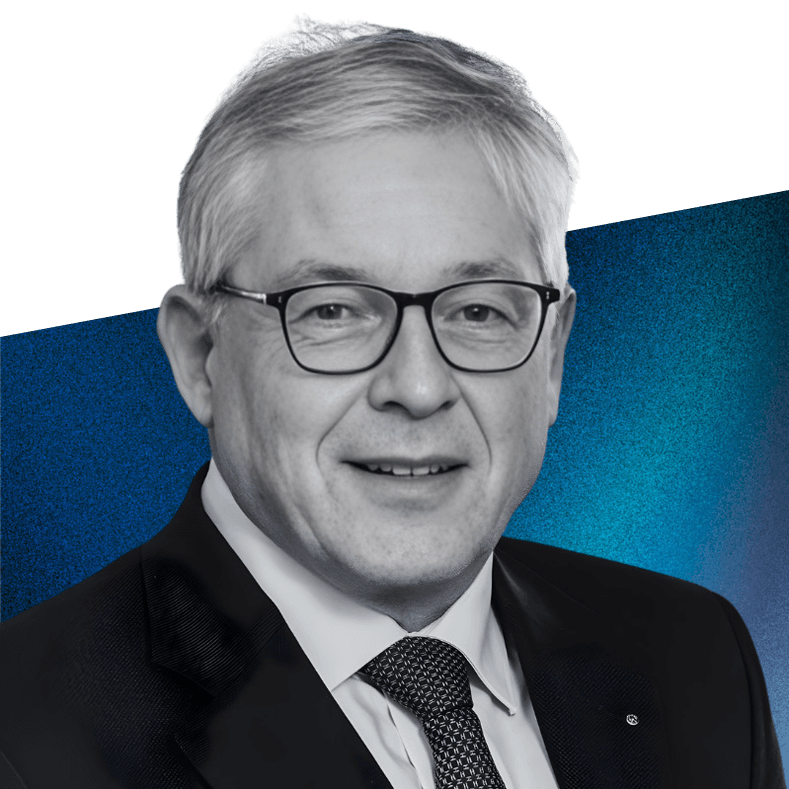
Prof. Hendrik Terheyden
Prof. Dr. Dr. Hendrik Terheyden is an oral and maxillofacial surgeon and chairman of the Department of Oral & Maxillofacial Surgery at the Helios Hospital, Kassel, Germany. He holds a professorship at Medical Faculty of the University of Kiel. After his dental and medical education at the University of Kiel, he specialised in oral and maxillofacial surgery and plastic operations at the University Hospital of Kiel, where he worked as vice director until 2007. His clinical and scientific focuses are preprosthetic bone regeneration and reconstructive surgery in oncology. He published international textbooks on bone augmentation surgery and >100 international scientific papers. Prof. Terheyden is past president of the German Association of Dental Implantology (DGI). He currently serves as president of the International Academy of Facial and Oral Rehabilitation (IAOFR) and as treasurer of the German Association of Oral & Maxillofacial Surgeons (DGMKG). He was a founding editor of the International Journal of Implant Dentistry (IJID) until 2022 and is section editor of the International Journal of Oral & Maxillofacial Surgery (IJOMS).
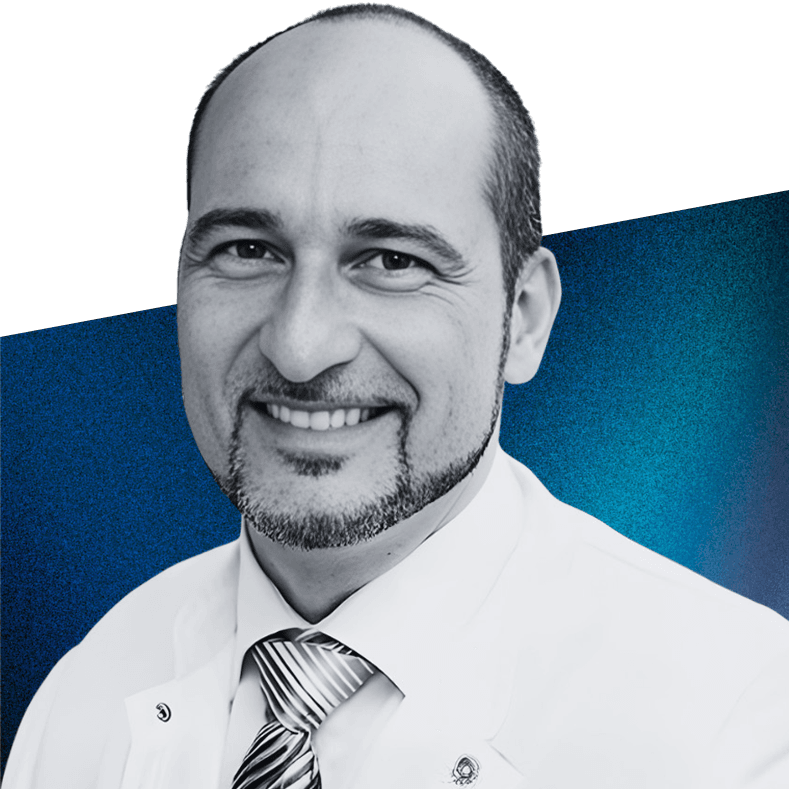
Prof. Bilal Al-Nawas
Ph.D.
Bilal Al-Nawas is qualified in medicine and dentistry (universities Frankfurt and Saarbrücken, Germany). Since 2017 Bilal Al-Nawas is Head of the Department of Oral and Maxillofacial Surgery, Plastic Surgery, University Medical Center of the J. Gutenberg University, Mainz, Germany. Since September 2009 Adjunctive Associate Professor at Kyung Hee University School of Dentistry, Seoul, Korea Graduated in Dentistry and Medicine and affiliated to the University of Mainz for more than 15 years. His clinical activity covers the full spectrum of oral and maxillofacial surgery and is dedicated to rehabilitation of compromised patients including clef lip an palate, oncology, bone diseases and other general medical aspects. His departments cover the full digital workflow from image acquisition (CBCT, IOS) to planning and 3D printed models and guides as well as intraoperative dynamic navigation in Oncology, Orthognatic surgery and Implantology. Focus: Compromised patients, Bone Grafting, Reconstructive Surgery, Digital planning. He published over 150 publications in peer-reviewed journals. He is a Fellow of the ITI Section Germany, Education Delegate, member of the Research Committee and since 2018 Member of the ITI Board of Directors. He serves as an editorial board member for Medical Journals such as International Journal of Implant Dentistry, European Journal of Trauma and Emergency Surgery, Clinical Oral Implants Research.